Comfort and energy efficiency go hand in hand when it comes to maintaining a healthy, enjoyable home. If your living space feels drafty, struggles to maintain consistent temperatures, or results in unexpectedly high utility bills, the cause often lies beneath the surface. Aging systems, unnoticed damage, and deferred maintenance can quietly erode both comfort and performance over time.
Rather than focusing only on cosmetic upgrades, homeowners can see meaningful improvements by addressing the repairs that directly affect airflow, insulation, moisture control, and mechanical efficiency. These improvements not only make a home feel better day to day but also help reduce wasted energy and long-term operating costs.
Understanding which repairs deliver the greatest impact allows homeowners to prioritise their investments wisely. The sections below explore key areas where targeted repairs can dramatically improve indoor comfort, energy use, and overall home functionality.
The Role of Your Roof in Indoor Comfort
A home’s roof plays a crucial role in regulating indoor temperatures and protecting the structure from environmental stress. When materials deteriorate or ventilation is inadequate, heat transfer increases, forcing heating and cooling systems to work harder than necessary. This often leads to uneven temperatures between rooms, increased humidity issues, and higher energy bills throughout the year.
Professional roofing services help address these problems by repairing damaged shingles, sealing leaks, and improving attic ventilation. When air escapes through compromised roof areas, conditioned air is lost and replaced with outdoor air, which undermines comfort regardless of the season. Proper repairs help stabilise indoor temperatures while reducing unnecessary energy consumption.
In addition to temperature regulation, roof-related repairs can improve indoor air quality. Moisture intrusion caused by minor roof damage often leads to mould growth or insulation degradation. By addressing these issues early, homeowners prevent further structural damage and preserve insulation performance.
A well-maintained roof also supports long-term efficiency planning. When repairs are completed proactively, they extend the lifespan of insulation, reduce strain on HVAC systems, and help the home maintain a more consistent indoor environment year-round.
Heating System Performance and Comfort Balance
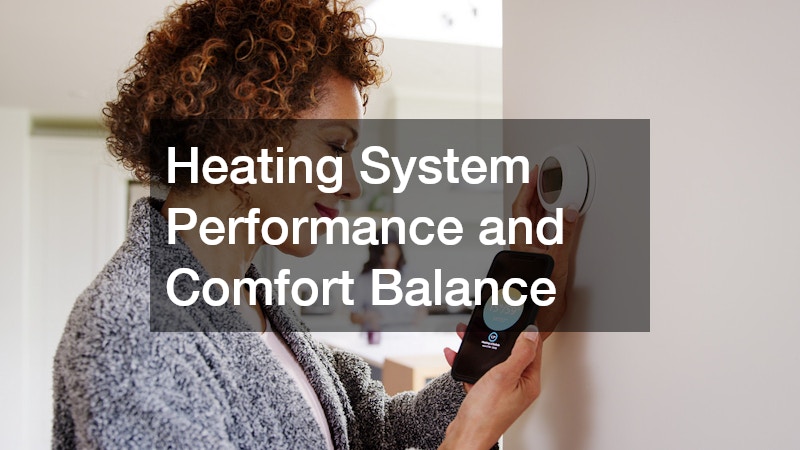
Indoor comfort during colder months depends heavily on how well the heating system operates. Inconsistent heating, frequent cycling, or unusual noises are often signs that internal components are no longer functioning efficiently. Left unresolved, these issues can reduce comfort while driving up energy costs.
A professional furnace repair service helps restore proper airflow, combustion efficiency, and temperature consistency throughout the home. Even minor mechanical issues can cause uneven heat distribution, leading to cold spots and discomfort in living areas. Repairs ensure the system responds accurately to thermostat settings and delivers heat where it’s needed most.
Beyond comfort, heating system repairs have a direct impact on energy efficiency. Components such as burners, heat exchangers, and blowers must work together seamlessly to minimise wasted fuel. When one part is compromised, the entire system loses efficiency, often without obvious warning signs.
Timely servicing also reduces wear on other components, lowering the likelihood of breakdowns during peak usage periods. By restoring optimal performance, homeowners enjoy quieter operation, improved reliability, and a more comfortable indoor environment throughout the heating season.
Managing Moisture and Temperature Around Outdoor Amenities
Homes with outdoor amenities often overlook how these areas influence overall comfort and energy efficiency. Water features and surrounding infrastructure can affect humidity levels, drainage patterns, and even indoor air quality when problems go unchecked. Because these systems operate close to the home, small issues can gradually influence nearby living spaces without being immediately noticeable.
Timely pool repairs help prevent water loss, equipment inefficiencies, and moisture-related damage that can indirectly affect adjacent indoor areas. Leaks, failing seals, or malfunctioning circulation systems can raise ambient humidity levels, making indoor spaces feel warmer, heavier, and less comfortable. This added moisture often places extra strain on cooling systems as they work harder to maintain stable indoor temperatures.
Proper maintenance ensures pumps, filters, and structural components operate efficiently and consistently. When equipment functions as intended, it requires less energy to maintain water quality and circulation. This improved performance contributes to lower overall household energy demand while helping extend the lifespan of essential equipment.
Addressing repair needs also improves safety, reliability, and long-term durability. Cracks, leaks, or failing components tend to worsen when left unresolved, leading to higher repair costs and greater disruption over time. Keeping these systems in good condition supports a more balanced home environment and helps maintain comfort both indoors and outdoors throughout the year.
Drainage Efficiency and Indoor Comfort
Effective drainage plays a surprisingly important role in maintaining a comfortable home. Slow drains, blockages, or damaged lines can contribute to humidity issues, unpleasant odours, and even structural concerns that affect living conditions.
Professional drain services address these issues by restoring proper water flow and preventing backups that can disrupt daily routines. When water cannot move efficiently away from the home, moisture accumulates in walls, floors, and foundations, leading to temperature regulation problems and reduced comfort.
Efficient drainage also supports energy efficiency by protecting insulation and building materials. Damp insulation loses its ability to regulate temperature, forcing heating and cooling systems to compensate. By keeping drainage systems clear and functional, homeowners preserve the effectiveness of other energy-saving features within the home.
Routine attention to drainage systems reduces the likelihood of emergency repairs and extends the lifespan of plumbing infrastructure. The result is a healthier indoor environment, improved comfort, and fewer efficiency losses caused by hidden moisture problems.
Entry Points and Temperature Control
Garage areas are one of the most common sources of air leakage in residential properties. Gaps around the frame, damaged panels, or failing mechanical components allow outdoor air to enter the home. This unwanted airflow disrupts indoor temperatures and forces heating and cooling systems to work harder, increasing overall energy demand.
Professional garage door repairs help seal these problem areas, ensuring that conditioned air remains inside the living space where it belongs. When the garage is attached to the home, temperature fluctuations can easily transfer through shared walls or ceilings, affecting nearby rooms and reducing overall comfort during both hot and cold seasons.
Beyond insulation benefits, properly functioning doors also improve safety and everyday convenience. Malfunctioning openers, worn springs, or warped panels often require repeated operation or manual adjustments, which wastes energy and accelerates wear on mechanical components. Repairs restore smooth, reliable operation while helping reduce unnecessary energy use.
Addressing garage-related issues also helps stabilise indoor humidity levels by limiting outside air infiltration. With fewer drafts and less moisture entering the home, heating and cooling systems operate more efficiently, creating a more consistent and comfortable environment throughout the year.
Water Flow, Pressure, and Everyday Comfort
The condition of a home’s water distribution system has a direct impact on comfort, hygiene, and energy usage. Inconsistent water pressure, leaks behind walls, or aging pipes can disrupt daily routines while quietly wasting resources. Even minor issues can create temperature fluctuations that affect bathing, cleaning, and cooking.
Working with experienced plumbing companies allows homeowners to identify inefficiencies that often go unnoticed. Small leaks can cause pressure imbalances, forcing pumps and heating systems to work harder than necessary. Over time, this added strain increases energy usage while reducing system lifespan.
Repairs that restore proper water flow also help maintain stable indoor temperatures. Excess moisture caused by hidden leaks can compromise insulation and increase humidity, making spaces feel warmer in summer and colder in winter. Addressing these issues improves air quality and enhances overall comfort throughout the home.
Preventative repairs also reduce the risk of sudden failures that lead to water damage and costly restoration work. By maintaining system integrity, homeowners protect both structural elements and energy efficiency. The result is a home that functions smoothly, conserves resources, and supports a more comfortable daily living environment.
Household Equipment and Energy Performance
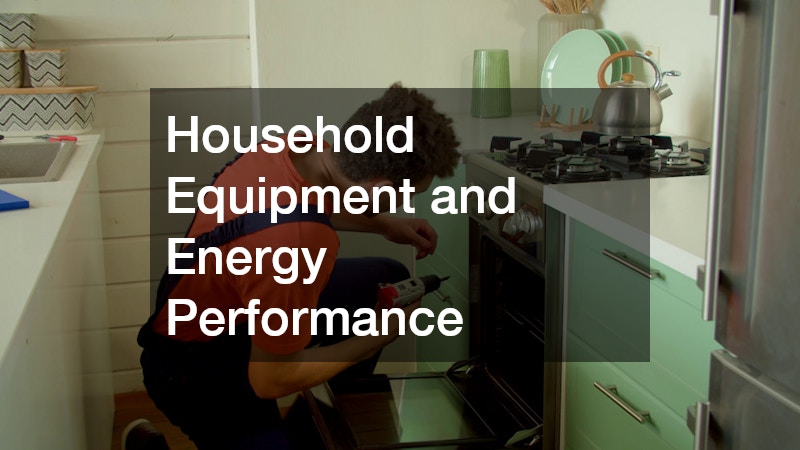
Modern homes rely heavily on internal equipment to maintain comfort, convenience, and efficiency. When these systems operate below peak performance, energy consumption rises while results decline. Inefficient machines often require longer run times, increased power draw, and repeated use to achieve the same outcome.
Timely appliance repair restores proper function and helps reduce unnecessary energy waste. Malfunctioning components such as motors, sensors, or heating elements can cause equipment to overwork, increasing both electricity usage and indoor heat output. These inefficiencies can subtly affect indoor comfort, especially in enclosed spaces.
Proper repairs also extend the life of household equipment, preventing premature replacement and reducing environmental impact. Appliances that run efficiently generate less excess heat and noise, contributing to a calmer and more comfortable home environment.
Addressing performance issues early helps maintain predictable energy costs and prevents cascading failures that strain other systems. Well-functioning equipment supports consistent comfort while aligning with long-term efficiency goals.
Hot Water Availability and Energy Use
Reliable access to hot water is essential for comfort, yet inefficiencies in delivery systems often go unnoticed until performance declines. Inconsistent temperatures, slow recovery times, or rising utility bills are common indicators of underlying issues. Professional water heater services help restore efficiency by addressing sediment buildup, worn components, and calibration problems. When systems operate efficiently, they require less energy to maintain desired temperatures, reducing overall household consumption.
Repairs also improve comfort by ensuring consistent hot water availability for daily activities. Efficient operation minimises temperature fluctuations and reduces the time required to reach optimal water temperatures. Routine maintenance and timely repairs extend system lifespan and prevent unexpected failures. By keeping hot water systems in optimal condition, homeowners enjoy greater comfort, predictable energy costs, and improved reliability.
Airflow, Venting, and Temperature Stability
Effective airflow management is essential for maintaining balanced indoor temperatures and supporting the safe operation of combustion-based systems. When ventilation is limited or compromised, heat, moisture, and airborne pollutants can build up inside the home. This accumulation makes living spaces feel uncomfortable and stale while forcing heating systems to work harder, ultimately reducing overall energy efficiency.
Professional chimney repair plays a critical role in restoring proper venting pathways and maintaining consistent airflow. Cracks, blockages, or structural damage can interrupt the natural movement of air, causing heating systems to operate unevenly or inefficiently. Over time, these disruptions often lead to noticeable temperature differences between rooms, making it difficult to maintain comfort throughout the home.
Repairs also enhance safety by ensuring that exhaust gases are properly directed outside rather than lingering indoors. With improved airflow, heating systems can function as designed, burning fuel more efficiently and maintaining steadier indoor conditions without unnecessary energy loss.
By maintaining proper venting structures, homeowners protect insulation from moisture exposure, limit condensation buildup, and support consistent indoor air quality. Together, these benefits contribute to a more comfortable, efficient, and well-balanced living environment year-round.
Waste Management Systems and Maintaining Comfort
Homes that rely on private waste management systems must maintain them carefully to preserve comfort and efficiency. When these systems degrade, they can affect drainage, moisture levels, and even indoor air quality.
A qualified septic repair company helps restore proper system function, preventing backups and saturation that can compromise surrounding soil and foundations. Excess moisture near the home often leads to humidity problems that make temperature control more difficult.
Repairs ensure waste is processed efficiently, reducing the risk of odours and contamination that negatively impact indoor comfort. Proper system operation also protects groundwater and surrounding landscapes, supporting a healthier living environment overall. Maintaining this system helps prevent costly emergencies while preserving the effectiveness of insulation and structural materials. The result is improved comfort, better environmental control, and greater long-term efficiency.
Comfort and energy efficiency are deeply connected, and the most impactful improvements often come from targeted repairs rather than major renovations. When critical systems operate efficiently, homes maintain stable temperatures, healthier air quality, and lower energy demands. Addressing these areas proactively allows homeowners to prevent small issues from becoming major disruptions. Each repair contributes to a more balanced indoor environment while reducing strain on interconnected systems.
By prioritising repairs that directly affect airflow, moisture control, heating performance, and system efficiency, homeowners can create living spaces that feel better every day while using less energy over time. Thoughtful maintenance is an investment in comfort, efficiency, and long-term home performance—one that pays dividends in both daily living and future value.